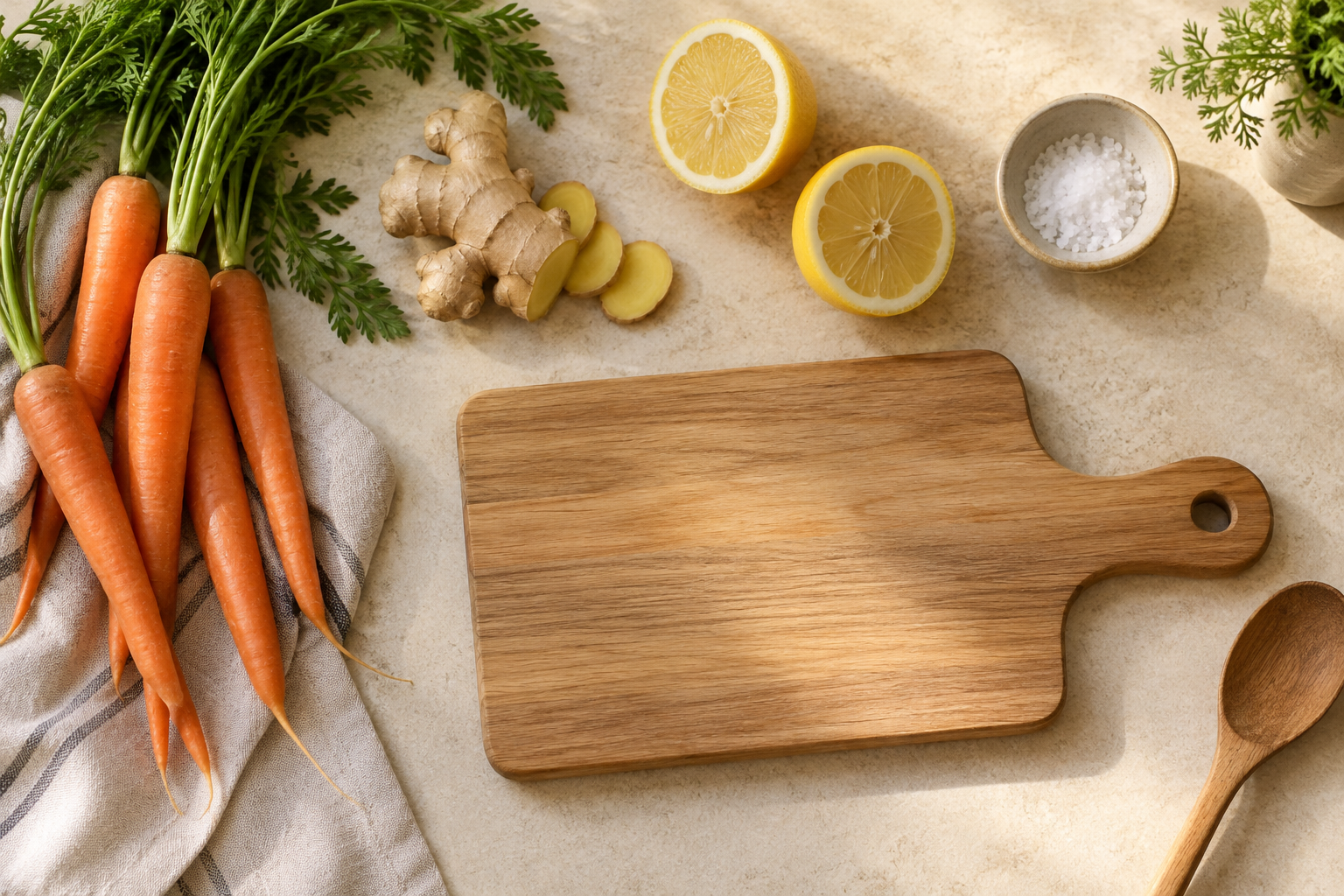
Seasoning is easier to manage when you taste as you go, rather than waiting until a dish is finished. Pause at suitable stages, notice what seems missing, and make a small adjustment. This measured approach is useful whether you’re cooking one portion or a larger batch.
Use a clean spoon to take a small sample, and never taste raw ingredients that need cooking. If you use a spoon to sample food, set it aside afterward; use a fresh, clean utensil for the next taste. Follow safe food-handling practices, especially when tasting foods that need to be kept hot or cold.
Add salt gradually, mixing well before tasting again. Salt can make existing flavours seem more pronounced, but too much can quickly dominate. For a dish that tastes flat, consider whether a little acidity—such as lemon juice or vinegar—might bring its flavours into focus. Add it in small amounts: acidity should balance the dish, not take it over.
Consider texture as well as seasoning. A sauce that feels too thick may need a little liquid; one that seems thin may benefit from more simmering, if the ingredients allow. Make one change at a time so you can tell what helped, then taste again before adjusting anything else.
Food-service experience can make clear, repeatable habits especially useful: work carefully, taste safely, and adjust with intention. If a combination works well, note the ingredients and approximate amounts. A short record can help you repeat the result or understand which change made the difference.
Leave a Reply